





















 Canada
 Latin America (English)
 Latin America (Espanol)
 USA
USA
 China
China
 India
India
 Japan
Japan
 Republic of Korea
 South East Asia (English)
 Austria
 Belgium
 France
 Germany
 Italy
Italy
 Netherlands
 Others
 Spain
Spain
 Switzerland
 Turkey
 UK
UK
 Africa (english)
 Africa (français)
 Middle East (english)
 Australia
 New Zealand


Data Center Trends and Predictions for 2026
Explore 2026 data center trends shaping AI-driven design, power, cooling, sustainability, automation, and security.
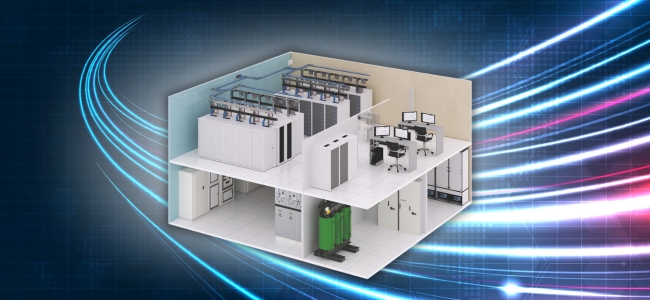
The data center industry is entering an unprecedented period of transformation. The rapid rise of artificial intelligence (AI), high-performance computing, and expanding sustainability mandates is reshaping how facilities are designed, powered, cooled, and secured. As we move toward 2026, operators will face both significant challenges and major opportunities as digital infrastructure evolves at speed.
Below, we explore six defining trends that will shape the next generation of data center environments.
1. AI-Driven Architecture
AI is fundamentally redefining data center architecture. Facilities once optimized for general IT workloads are giving way to environments purpose-built for dense GPU clusters, ultra-high-speed networking, and exceptional compute intensity.
AI-ready data centers demand:
- Extreme rack-level power density, often well beyond what conventional architectures can support.
- Greater flexibility and modularity to accommodate rapid shifts in compute load.
- Advanced cooling, cabinets, and power distribution systems designed for higher heat output, increased weight, and greater monitoring needs.
As AI workloads grow, modular solutions and scalable designs will become the foundation for both new builds and retrofit projects, enabling operators to expand capacity without disrupting operations.
Prediction: AI-optimized architecture will move firmly into the mainstream. Scalability, modularity, and thermal resilience will become baseline requirements for modern facility design.
2. Power and Space Constraints
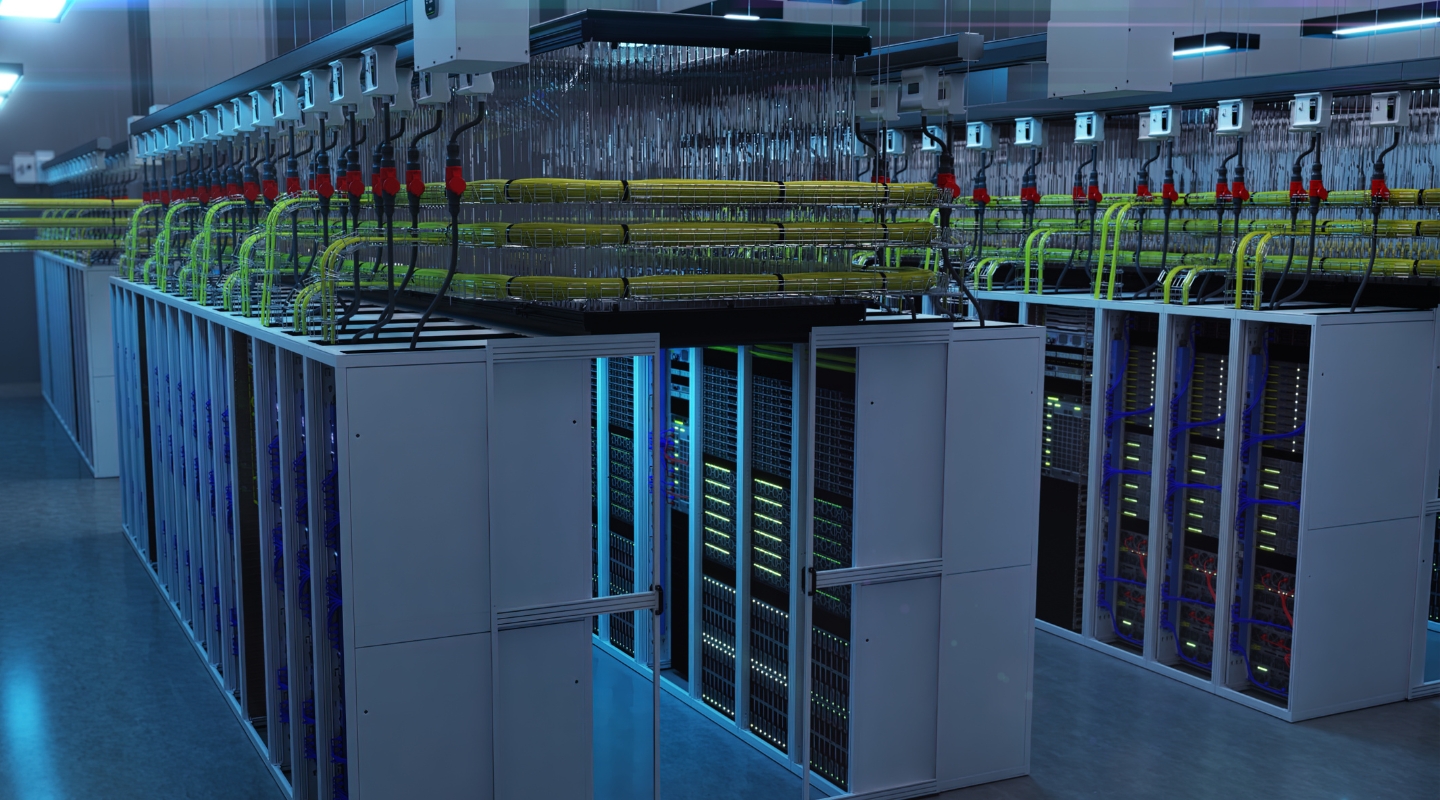
AI’s explosive growth is dramatically increasing global energy demand. The IEA report that worldwide electricity consumption from data centers is expected to double by 2030, reaching approximately 945 TWh, with AI identified as the primary driver of this surge.
With grid capacity tightening and power becoming a strategic constraint, operators are rethinking how energy is delivered, distributed, and optimized.
Key focus areas include:
- Intelligent power distribution - such as track busway, modular UPS systems, and rack PDUs - that reduce power losses and provide real-time analytics.
- Maximizing space efficiency, particularly in high-density deployments, edge sites, and constrained server rooms, where every inch of floor space counts.
Prediction: Power limitations and rising energy costs will accelerate the adoption of on-site generation and storage, including microgrids, renewable integration, advanced battery technologies, and emerging power options such as small modular reactors (SMRs), as operators explore new ways to secure a reliable, scalable, low-carbon power supply.
3. Advanced Cooling Requirements
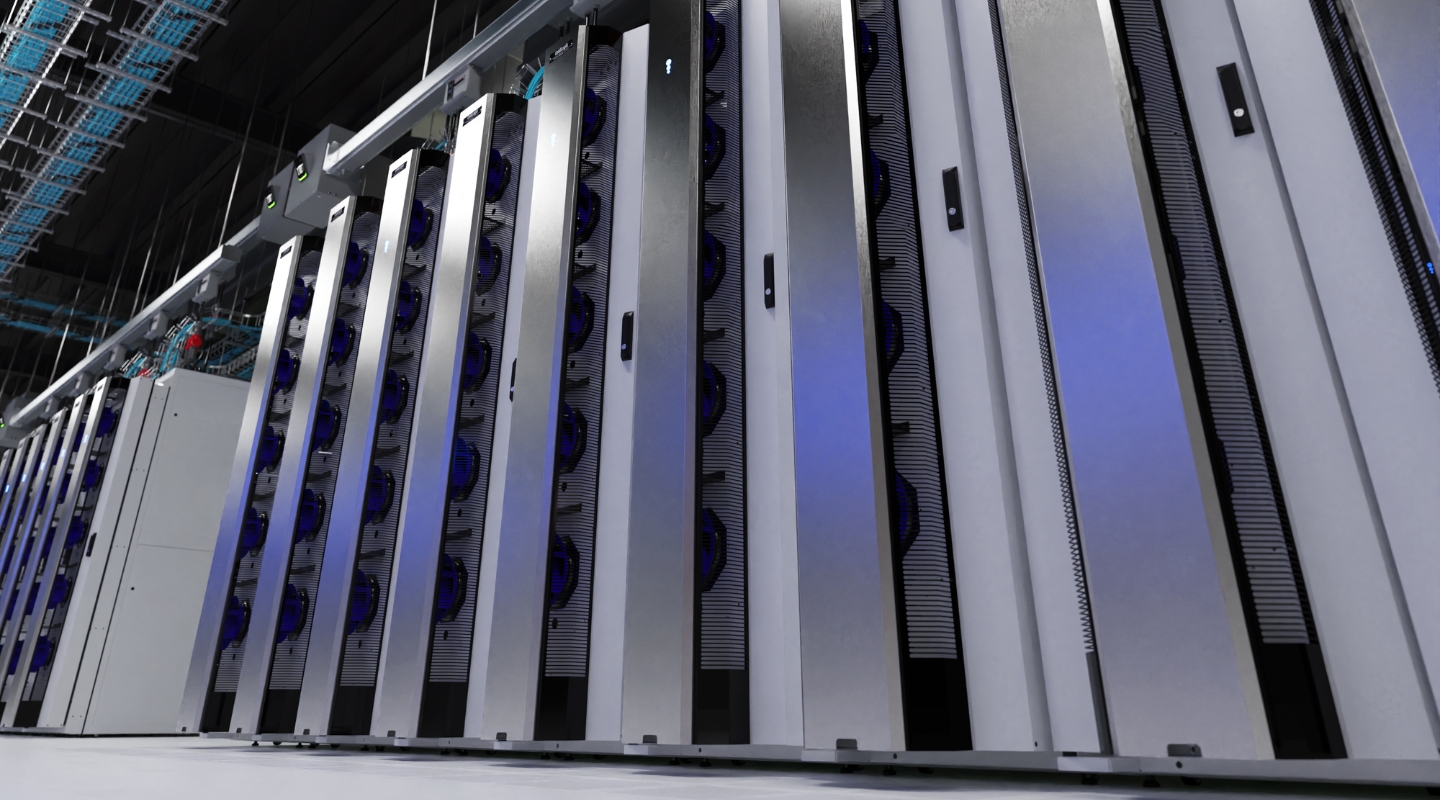
Cooling is undergoing a fundamental shift as power demands reach new thresholds. Racks drawing more than 50 kW are increasingly common, while many AI deployments now exceed 80–100 kW per rack. Looking ahead, data center communities are advancing toward 1 MW rack densities, with innovative cooling and power technologies in active development.
levels far beyond what traditional air-cooling systems can support.
Next-generation cooling technologies include:
- In-row and rear-door heat exchanger (RDHx) solutions that are designed for high-density environments.
- Liquid and hybrid cooling approaches that deliver superior thermal performance.
- AI-driven thermal controls that optimize cooling efficiency and reduce operational costs.
These innovations not only maintain performance and reliability but also contribute directly to improved sustainability metrics.
Prediction: Liquid and hybrid cooling architectures will become standard for new high-density facilities, with retrofits accelerating across existing footprints. RDHx solutions, which remove heat at the source, will play an increasingly important role in enabling higher-density deployments. By retrofitting existing racks of air-cooled servers with RDHx technology, operators can support rising thermal loads without requiring full overhauls of their existing cooling infrastructure.
4. AI-Enabled Automation

Automation is rapidly transforming data center operations. AI-powered tools now support everything from predictive maintenance and real-time optimization to automated fault resolution and intelligent load forecasting.
As distributed edge deployments expand, the ability to manage multiple sites remotely and autonomously becomes increasingly valuable. Many operators are moving toward lights-out environments, relying on automated systems to maintain uptime and reduce on-site intervention. This shift also increases the need for intelligent infrastructure – such as advanced rack power distribution units (PDUs) that provide remote monitoring, control, and real-time visibility – to support automated decision-making at scale.
Prediction: AI-enabled automation will become a cornerstone of digital infrastructure strategy, enabling more efficient scaling, improved resilience, and reduced operational overhead, supported by intelligent remotely managed power systems.
5. Sustainability as a Core Requirement
Sustainability has evolved from a long-term ambition into a core strategic requirement. Rising energy costs, increased regulatory pressures, and frameworks such as the EU Corporate Sustainability Reporting Directive are driving operators to optimize efficiency and reduce emissions at every level.
Key priorities include:
- Optimizing PUE, CUE, and WUE to drive operational efficiency.
- Integrating renewable energy, on-site generation, and advanced cooling efficiency.
- Extending equipment lifespans through durable, modular designs.
- Reducing embodied carbon via sustainable materials, packaging, and logistics.
- Leveraging remote management to minimize site visits and carbon impact.
Prediction: Sustainability performance will become a decisive factor in investment, partnership, and procurement decisions, driving long-term strategy across the sector. In response, standards and regulatory frameworks increasingly require data centers to report on efficiency and renewable energy KPIs, reinforcing transparency, and supporting a climate-neutral future.
6. Security and Compliance

As data centers solidify their role as critical global infrastructure, security demands are intensifying. The threat landscape is expanding, and vulnerabilities increasingly extend beyond software into the physical systems that power and cool digital workloads.
Cybersecurity Ventures predicts global cybercrime costs will reach $10.5 trillion in 2025, rising 15% annually — underscoring the urgent need for holistic protection.
Operators are strengthening security through:
- Tighter governance and compliance requirements, particularly across Europe and North America.
- Zero Trust security models integrated across infrastructure layers.
- AI-enhanced threat detection and continuous monitoring.
- Physical and power infrastructure protection, including UPSs, PDUs, and busway systems.
Prediction: Security and compliance will be embedded into every layer of infrastructure, with real-time monitoring and access controls becoming essential to maintaining operational integrity.
Adaptability and Collaboration
Beyond these six trends, adaptability and collaboration will remain critical to success. Whether scaling AI workloads, meeting stricter regulatory requirements, or advancing sustainability goals, operators will increasingly rely on collaboration between designers, manufacturers, and technology partners to drive innovation and address shared challenges.
Toward Resilient, Intelligent Infrastructure
As we approach 2026, the data centers that embrace these trends early will gain a meaningful competitive advantage. Resilient, modular power and cooling solutions — capable of supporting rapid AI-driven growth — will be central to long-term success.
At Legrand, we partner with enterprises, colocation providers, and hyperscalers to navigate rising density, escalating energy demands, and evolving operational pressures. Our solutions are engineered to deliver reliable, scalable, efficient, and sustainable performance for high-density computing environments.
Contact our data center experts
___