























 Canada
 Latin America (English)
 Latin America (Espanol)
 USA
USA
 China
China
 India
India
 Japan
Japan
 Republic of Korea
 South East Asia (English)
 Austria
 Belgium
 France
 Germany
 Italy
Italy
 Netherlands
 Others
 Spain
Spain
 Switzerland
 Turkey
 UK
UK
 Africa (english)
 Africa (français)
 Middle East (english)
 Australia
 New Zealand


The Cooling Challenge: Keeping Pace with the Modern Data Center
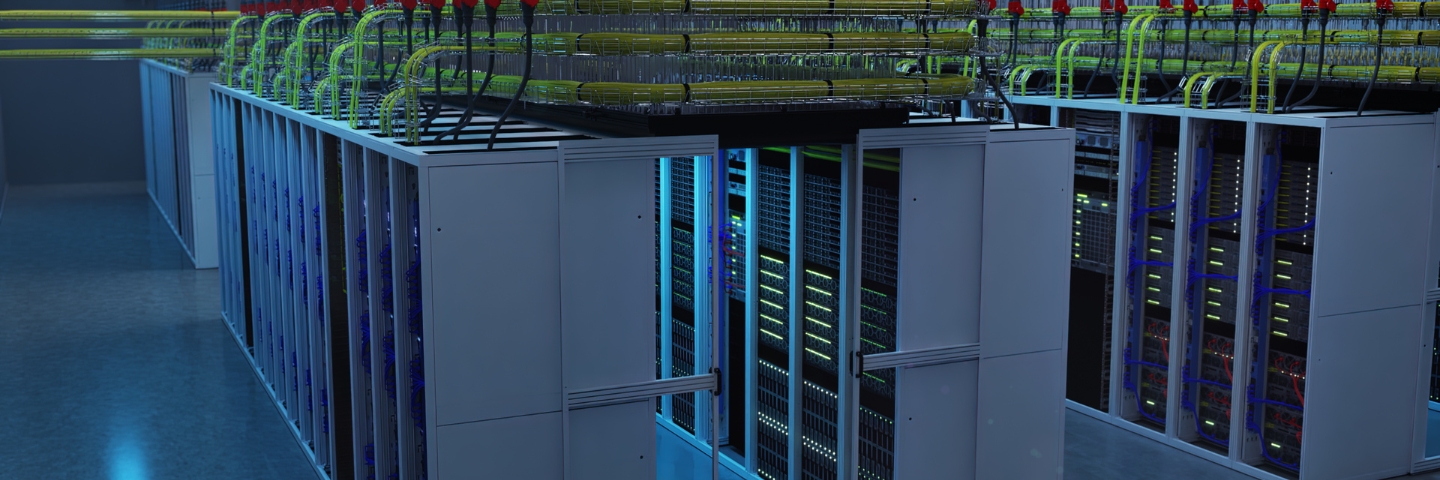
Modern data centers face an unprecedented thermal management crisis as AI, machine learning, and high-performance computing drive rack densities from 5 kW to 200+ kW per cabinet. Traditional air cooling systems struggle to maintain operational stability while meeting energy efficiency and sustainability requirements, forcing operators to adopt hybrid cooling strategies that combine proven air systems with advanced liquid cooling technologies.
Rising Rack Densities: The New Normal
The fundamental assumptions underlying data center cooling design have shifted dramatically over the past decade. Legacy facilities designed for 3–5 kW per rack now routinely support 10–30 kW loads, while specialized AI and HPC environments push densities beyond 100 kW per rack. This exponential increase in heat generation has rendered traditional perimeter cooling systems inadequate for modern computing demands.
Power Density Evolution by Workload Type
| Application | Traditional Density | Current Density | Future Projections |
|---|---|---|---|
| Enterprise IT | 3–5 kW per rack | 8–15 kW per rack | 15–25 kW per rack |
| Cloud/Hyperscale | 5–8 kW per rack | 15–30 kW per rack | 30–50 kW per rack |
| AI/Machine Learning | N/A | 30–100 kW per rack | 100–300 kW per rack |
| HPC Clusters | 10–20 kW per rack | 50–150 kW per rack | 200–500+ kW per rack |
Technology Drivers Behind Density Increases
- GPU acceleration – AI and machine learning workloads requiring massive parallel processing
- Processor evolution – Higher core counts and frequencies increasing thermal design power (TDP)
- Memory density – More RAM per server generating additional heat loads
- Storage acceleration – NVMe and high-speed storage adding thermal burden
- Network bandwidth – 100G+ networking equipment contributing to rack heat generation
The Limitations of Traditional Cooling
Conventional data center cooling systems face fundamental physics and design limitations when confronted with modern thermal loads. Air-based cooling systems that served the industry for decades now struggle with hot spots, inefficient airflow patterns, and energy consumption that undermines operational sustainability goals.
CRAC and Raised Floor System Challenges
- Airflow limitations – Air can only carry limited thermal energy per cubic foot
- Hot spot formation – Uneven cooling distribution creates equipment stress
- Bypass airflow – Inefficient air paths waste cooling capacity
- Floor space requirements – Large cooling units reduce IT equipment space
- Energy inefficiency – Multiple air handling stages increase power consumption
Containment System Limitations
Even with hot/cold aisle containment improvements:
- Air temperature mixing – Imperfect separation reduces cooling effectiveness
- Static pressure challenges – Higher densities require more airflow than systems can deliver
- Scalability constraints – Limited ability to add cooling capacity without major infrastructure changes
Sustainability and Energy Efficiency Pressures
Environmental responsibility and operational cost management drive increasingly stringent efficiency requirements for data center cooling systems. Organizations face mounting pressure to reduce both energy consumption and environmental impact while supporting growing computational demands.
Power Usage Effectiveness (PUE) Requirements
- Legacy targets – Traditional goal of PUE 1.5 now considered inadequate
- Current standards – Industry pushing toward PUE 1.2 or lower
- Leading-edge goals – Hyperscale operators targeting PUE 1.1 or better
- Cooling impact – Thermal management systems representing 30–40% of facility energy use
Carbon Footprint and Regulatory Pressures
- Corporate sustainability commitments – Net-zero carbon goals driving technology choices
- Regulatory compliance – Government efficiency mandates affecting design decisions
- Investor expectations – ESG criteria influencing infrastructure investments
- Customer requirements – End-user sustainability demands affecting colocation providers
Water Consumption and Resource Management
Traditional cooling methods often rely heavily on water consumption through evaporative cooling, chillers, and cooling towers. Growing water scarcity and environmental regulations are forcing operators to reconsider cooling strategies and adopt more resource-efficient approaches.
Water Usage Effectiveness (WUE) Challenges
- Evaporative cooling impact – Traditional systems consuming millions of gallons annually
- Regional water stress – Scarcity issues affecting data center location decisions
- Regulatory constraints – Water use restrictions limiting traditional cooling options
- Cost implications – Rising water costs affecting operational economics
Water-Efficient Cooling Strategies
- Closed-loop systems – Rear-door heat exchangers and direct liquid cooling minimizing consumption
- Dry cooling methods – Air-cooled systems eliminating water usage
- Heat recovery integration – Waste heat utilization reducing overall facility water needs
Space and Scalability Constraints
Modern data centers must maximize computing density per square foot while maintaining flexibility for future growth. Traditional cooling systems often conflict with these space efficiency goals, requiring operators to balance thermal management needs with real estate optimization.
Space Utilization Challenges
- Cooling equipment footprint – CRAC units and air handlers consuming valuable floor space
- Ductwork requirements – Air distribution systems reducing usable height
- Maintenance access – Cooling system service requirements affecting layout efficiency
- Modular scalability – Need for cooling systems that grow incrementally with IT loads
Infrastructure Flexibility Requirements
- Technology evolution – Cooling systems must adapt to changing IT equipment
- Workload variability – Dynamic thermal loads requiring responsive cooling capacity
- Future-proofing – Infrastructure investments must support unknown future requirements
Operational Complexity and Skill Requirements
Advanced cooling technologies introduce new operational challenges that require updated staff skills, maintenance procedures, and monitoring capabilities. Organizations must balance cooling performance benefits with operational complexity and resource requirements.
Technology Complexity Factors
- Liquid cooling systems – Chilled water distribution, leak detection, and fluid management
- Smart controls – Advanced automation requiring specialized knowledge
- Monitoring integration – Comprehensive thermal management across multiple systems
- Maintenance procedures – New service requirements for hybrid cooling environments
Skills Development Needs
- Technical training – Staff education on liquid cooling systems and controls
- Safety procedures – Leak response and electrical safety in wet environments
- System integration – Coordination between multiple cooling technologies
- Performance optimization – Ongoing tuning for maximum efficiency
Cooling Technology Comparison Matrix
Understanding the strengths and limitations of different cooling approaches helps operators select appropriate technologies for specific applications and density requirements.
| Cooling Technology | Typical Use Case | Pros | Cons |
|---|---|---|---|
| CRAC + Aisle Containment | Traditional enterprise & low-density DCs | Simple, proven, low maintenance | Limited to ~5–10 kW/rack, high energy usage |
| In-Row Cooling | Medium densities, retrofit scenarios | Targeted cooling, scalable, works with containment | Floor space impact, not ideal for ultra-high density |
| Fan Wall Cooling | New build or large-scale deployments | Uniform airflow, centralized maintenance | Large footprint, costly ducting |
| Rear-Door Heat Exchanger | Up to 200 kW/rack (active units) | Space-saving, efficient, retrofit-friendly | Requires chilled water, installation complexity |
| Direct Liquid Cooling | AI/HPC clusters | Handles >100 kW/rack, precision cooling | Emerging technology, needs CDU, hybrid air/liquid |
| Immersion Cooling | Ultra-high density, specialized deployments | Up to 1 MW/rack, very efficient | Operational complexity, design limitations |
Strategic Cooling Decisions
Successful cooling strategy requires balancing multiple competing requirements while planning for future growth and technology evolution. No single cooling solution addresses all requirements, driving the adoption of hybrid approaches that combine complementary technologies.
Decision Framework Considerations
- Current and projected power densities across different facility zones
- Infrastructure constraints including space, power, and water availability
- Operational capabilities and staff technical expertise
- Budget allocation for capital investment and ongoing operational costs
- Sustainability goals and regulatory compliance requirements
Hybrid Cooling Strategies
- Zone-based approaches – Different cooling technologies for varying density areas
- Evolutionary deployment – Gradual transition from air to liquid cooling
- Technology combination – Simultaneous use of multiple cooling methods
- Future flexibility – Infrastructure design enabling technology upgrades
Legrand Data Center Cooling Solutions
Implementing advanced cooling technologies requires the right infrastructure support and expertise. Legrand provides comprehensive solutions for modern data center thermal management, from power distribution and monitoring to physical infrastructure that enables optimal cooling performance.
Explore Legrand's cooling infrastructure solutions:
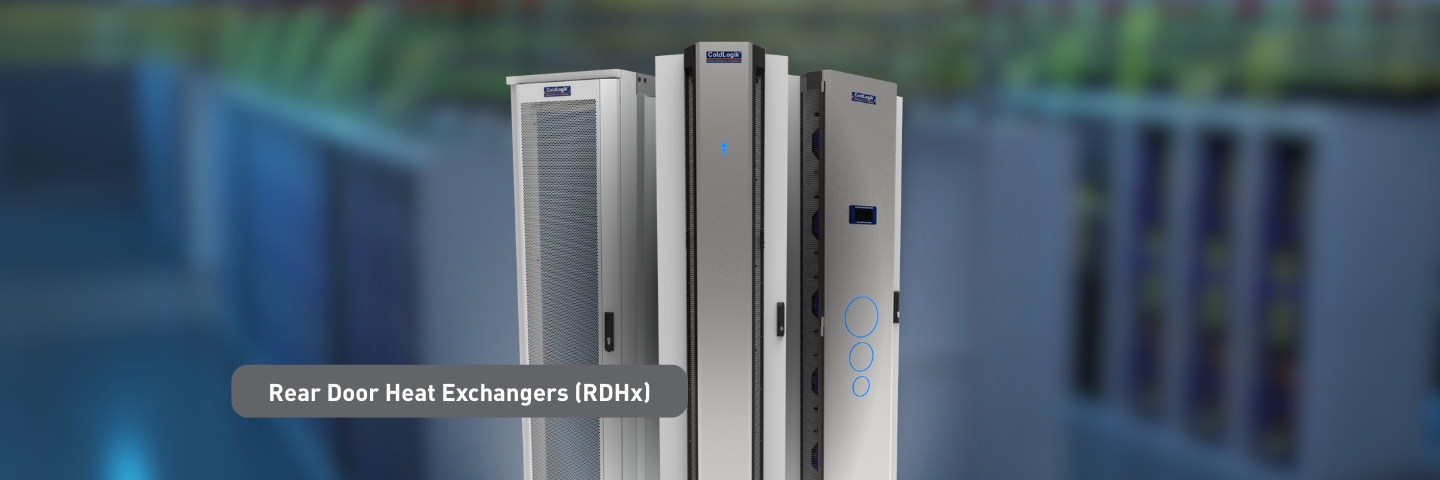
- Rear-Door Cooling Solutions – Complete infrastructure support for RDHx implementations, including power distribution, monitoring, and control systems designed for rack-level cooling technologies.
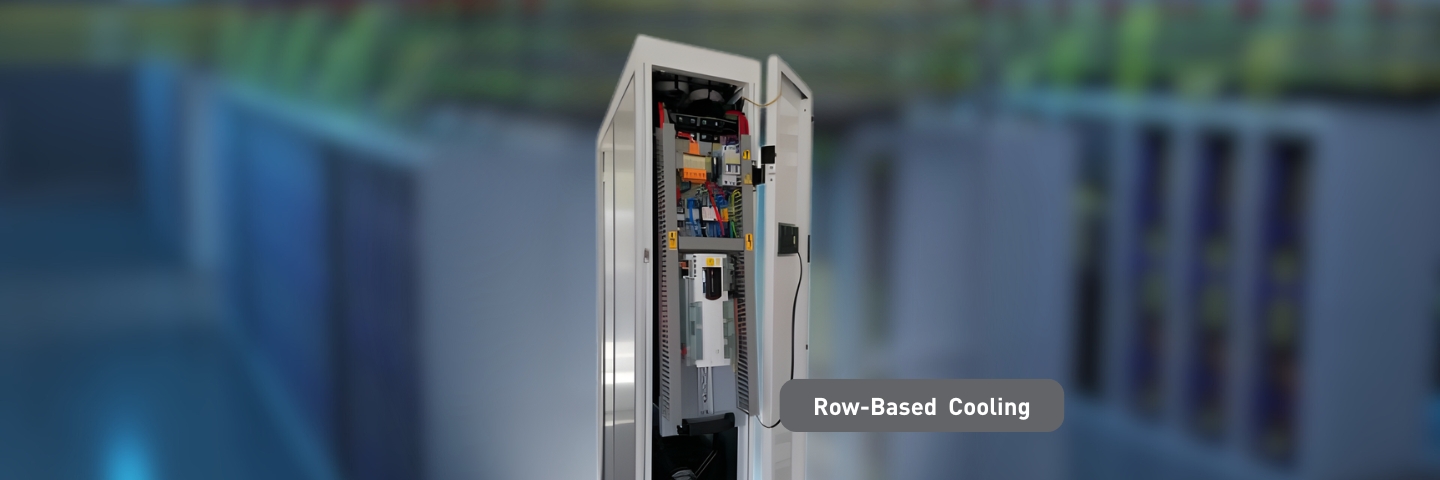
- Row-Based Cooling Infrastructure – Integrated solutions supporting in-row cooling deployments, featuring optimized power delivery, environmental monitoring, and cable management systems.
Our data center specialists can help you design and implement the infrastructure foundation that enables successful cooling technology deployment while ensuring reliability, efficiency, and scalability for your facility's evolving needs.
The Path Forward
The cooling challenge facing modern data centers requires strategic thinking beyond traditional thermal management approaches. Success depends on understanding the interplay between computing requirements, infrastructure constraints, operational capabilities, and sustainability goals.
Organizations must develop comprehensive cooling strategies that address current needs while maintaining flexibility for future evolution. This often means embracing hybrid approaches that combine proven air cooling with advanced liquid cooling technologies, implemented in phases that align with business growth and technology adoption timelines.
As computational demands continue to grow and environmental pressures intensify, cooling will remain a critical factor in data center design and operation. The organizations that master this challenge will be best positioned to support the next generation of digital infrastructure while maintaining operational efficiency and environmental responsibility.
RETHINKING COOLING? CONSIDER A RETROFIT-FRIENDLY RDHX
When you need higher rack density without a full room redesign, rear door cooling is a strong alternative. RDHx fits existing footprints, reduces hot‑air recirculation, and integrates with current chilled‑water and monitoring systems—helping you scale capacity with minimal disruption.
PLAN A LOW-DISRUPTION UPGRADE
Contact Legrand to evaluate feasibility, confirm water‑side integration, containment alignment, and define a step‑by‑step migration plan that keeps operations running.