























 Canada
 Latin America (English)
 Latin America (Espanol)
 USA
USA
 China
China
 India
India
 Japan
Japan
 Republic of Korea
 South East Asia (English)
 Austria
 Belgium
 France
 Germany
 Italy
Italy
 Netherlands
 Others
 Spain
Spain
 Switzerland
 Turkey
 UK
UK
 Africa (english)
 Africa (français)
 Middle East (english)
 Australia
 New Zealand


High-Performance Inverter Design for Reliable Power Conversion in UPS Systems
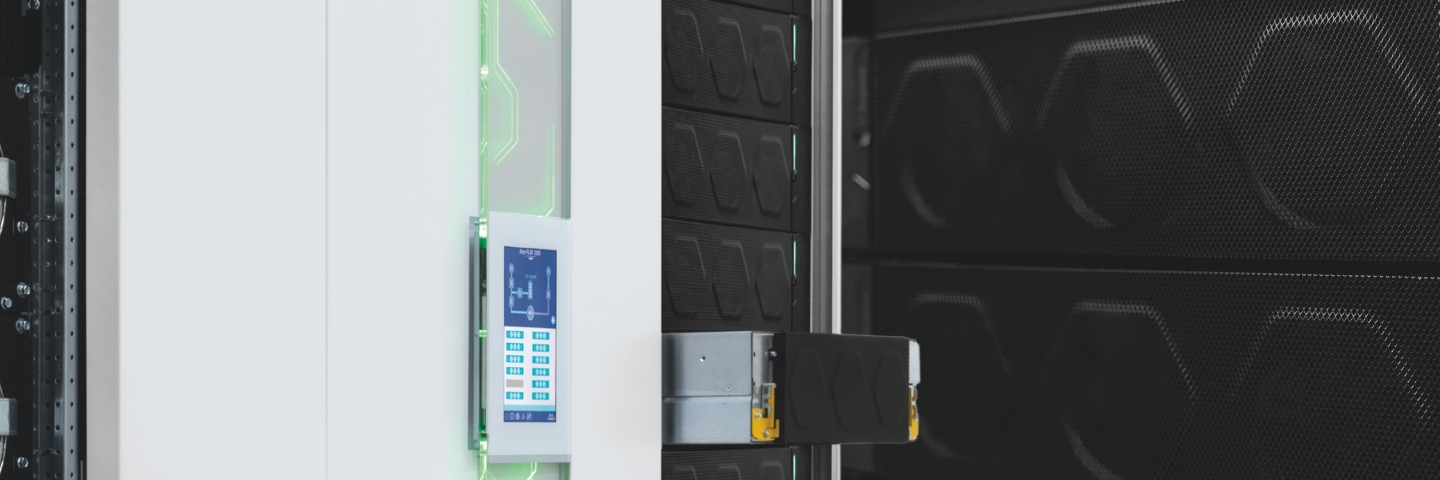
Electrical inverters form the technical foundation of modern UPS systems, converting DC battery power into regulated AC electricity that protects sensitive data center equipment. Legrand's UPS designs integrate high-performance inverter stages that perform continuous power conversion, ensuring stable voltage output and reliable operation when the utility grid fails.
Understanding Inverter Function in UPS Power Conversion
The inverter represents the core device within a UPS system that transforms stored DC energy from batteries into the AC power required by IT equipment. This conversion process happens continuously in online double conversion UPS architectures, where the inverter operates at all times to deliver clean, regulated electricity to connected loads.
In Legrand UPS systems, the inverter works in coordination with a rectifier stage. The rectifier converts incoming AC grid power to DC, which simultaneously charges the batteries and supplies the inverter. The inverter then converts this DC back to AC, producing a stable sine wave output with precise voltage and frequency control regardless of input power quality.
IGBT Technology for Enhanced Circuit Reliability
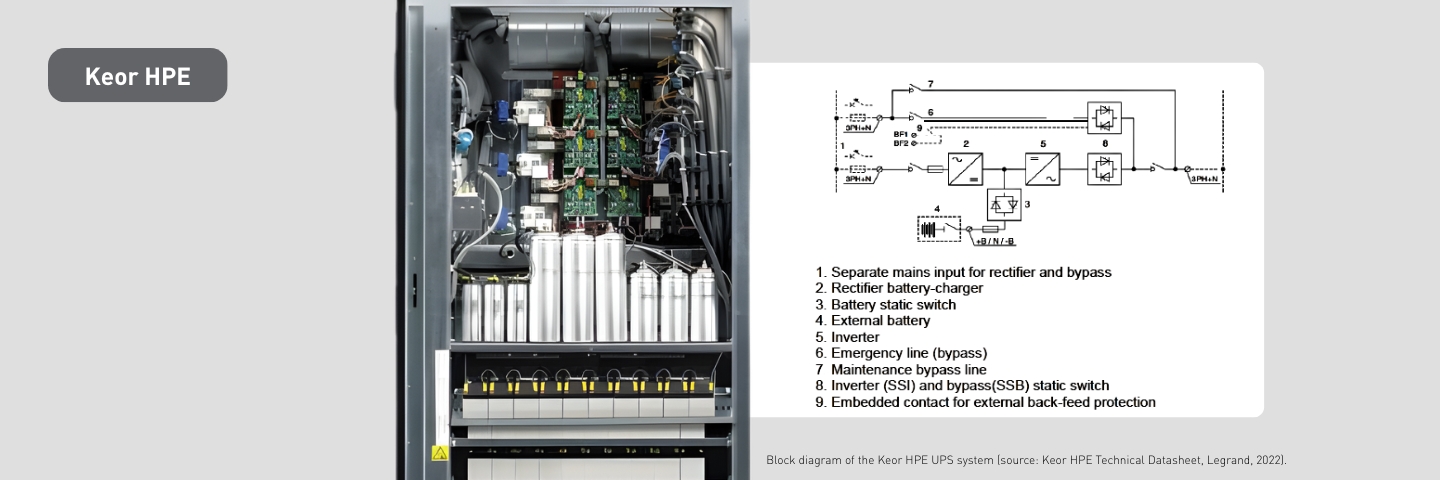
Legrand UPS platforms utilize IGBT (Insulated Gate Bipolar Transistor) technology in both rectifier and inverter circuits. Systems like Keor HPE employ three-level IGBT rectifiers and inverters that provide superior switching performance compared to conventional designs. This IGBT-based architecture enables fast, efficient power conversion while maintaining high reliability under demanding data center conditions.
The three-level IGBT design reduces harmonic distortion significantly, with total harmonic distortion on input current below 3% in many configurations. This clean operation minimizes stress on both grid infrastructure and internal UPS components, extending circuit lifespan and reducing maintenance requirements.
Pure Sine Wave Output for Equipment Protection
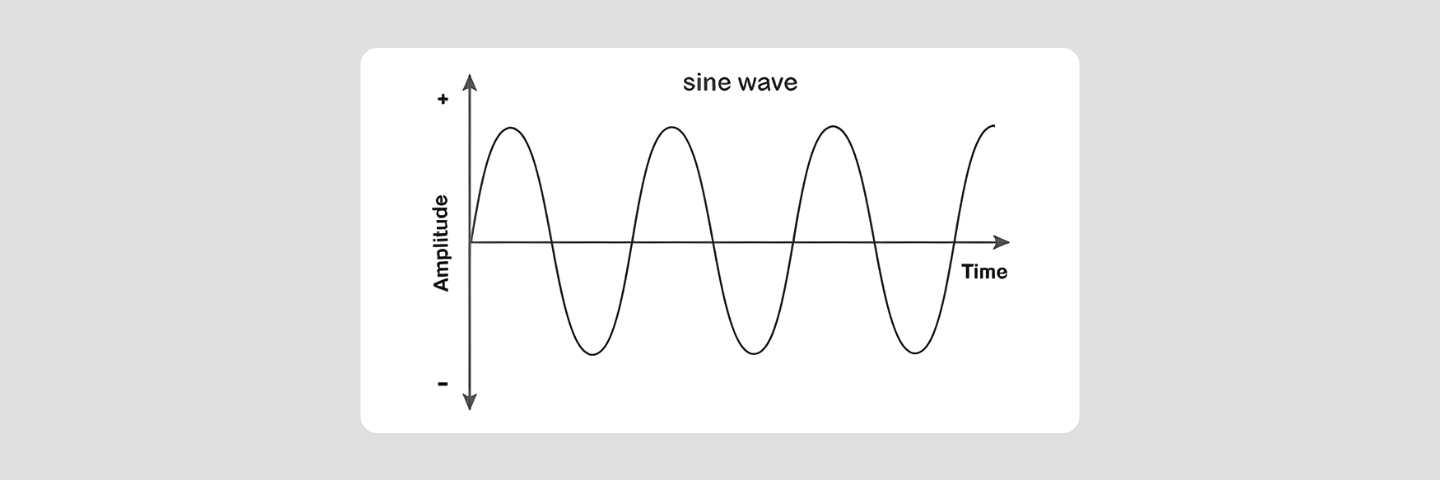
Legrand UPS inverters generate pure sine wave AC outputs that precisely replicate utility power characteristics. Online double conversion systems produce sinusoidal waveforms with stable amplitude and frequency, protecting sensitive IT loads from power quality issues.
The sine wave form provides smooth, continuous voltage transitions that match the requirements of modern server power supplies, networking equipment, and storage systems. This contrasts with modified sine wave or square wave outputs that can cause equipment heating, efficiency losses, and premature component failure in sensitive electronics.
Voltage Regulation and Battery Management
The inverter circuit maintains precise voltage regulation throughout the entire load range. Legrand systems deliver output voltage variation within plus or minus 1% under static conditions in many configurations, ensuring stable power delivery to connected equipment even as loads change. This tight regulation protects against both overvoltage and undervoltage conditions that could damage IT infrastructure.
During battery operation, the inverter manages the DC-to-AC conversion process while monitoring battery voltage levels. When utility power fails, the system transitions seamlessly to battery-supplied DC, with the inverter continuing to produce regulated AC output without interruption. The charge controller works with the rectifier to replenish battery energy when grid power returns, maintaining backup capacity readiness.
PWM High-Frequency Technology for Efficient Conversion
Legrand UPS systems employ PWM (Pulse Width Modulation) high-frequency technology in their inverter designs. Product lines use this advanced switching technique to generate clean AC outputs from DC sources with minimal energy losses.
PWM technology controls the switching of IGBT devices at high frequency, creating a series of precisely timed pulses that, when filtered, form a smooth sine wave. This approach enables compact transformer-free designs while achieving high AC-to-AC conversion efficiency. The high switching frequency reduces the size of filtering components, contributing to the space-efficient footprint of modular UPS platforms.
Unity Power Factor for Maximum Capacity
Modern Legrand UPS inverters can deliver unity power factor output, where kVA equals kW. Systems with unity output power factor allow connected equipment to utilize the full rated capacity of the UPS. This contrasts with older UPS designs that operated at 0.8 or 0.9 power factor, effectively limiting usable capacity.
On the input side, IGBT rectifier technology with power factor correction achieves input power factor greater than 0.99 in many systems, approaching unity. This high input power factor reduces current draw from the grid and minimizes installation costs by eliminating the need for oversized upstream electrical infrastructure.
Modular Integration for Scalable Performance
Legrand's modular UPS architecture distributes inverter capacity across multiple hot-swappable modules in certain product lines. In modular platforms, power modules contain complete inverter circuits that allow systems to scale capacity while maintaining N+X redundancy where the system continues operating even if individual modules fail or require maintenance.
The Keor FLEX represents Legrand's flagship modular UPS solution for data centers, featuring advanced Silicon Carbide (SiC) inverter technology. This system delivers up to 1.2 MW in a single frame using 100 kW hot-swappable modules, with parallel configurations expandable to 4.8 MW. The SiC-based inverters achieve 98.6% efficiency in double conversion mode, setting new performance standards for high-density data center applications. The silicon carbide technology minimizes internal heat generation within the inverter stage, reducing cooling requirements and improving overall facility energy efficiency.
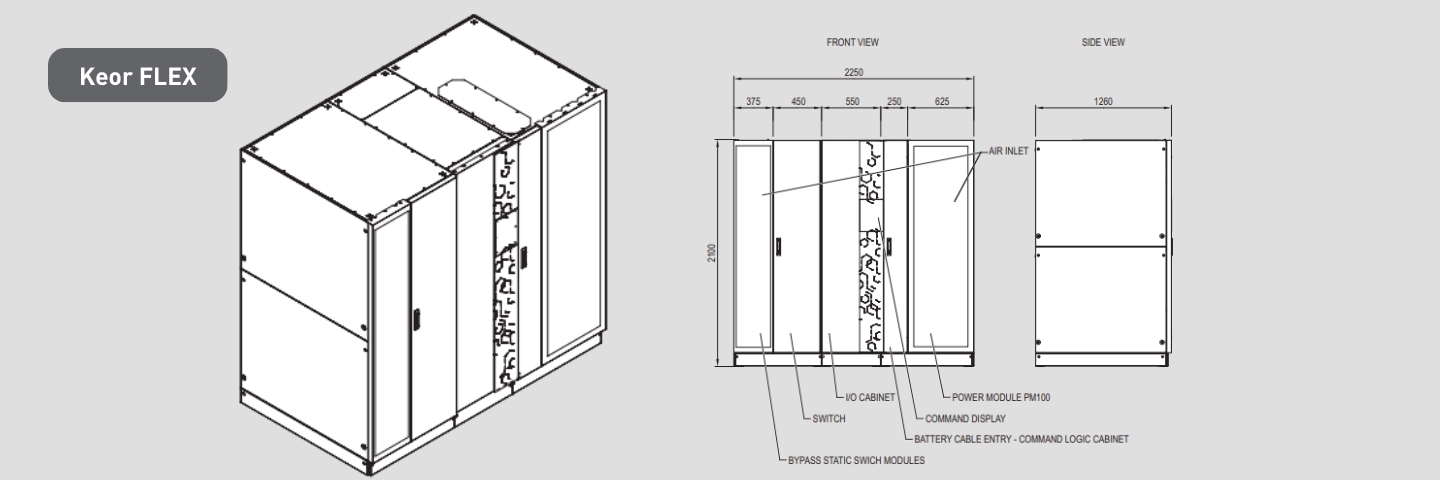
The independent inverter modules in modular systems provide redundancy capabilities. Each module processes a portion of the total load, sharing current and maintaining synchronized output. This distributed inverter approach enhances overall system reliability compared to monolithic designs with a single large inverter circuit.
Continuous Clean Power During Grid Disturbances
The online double conversion topology ensures inverters provide continuous clean power by isolating loads from grid disturbances. During utility voltage sags, swells, frequency variations, or complete outages, the inverter maintains stable AC output without switching delays or transfer times.
Legrand UPS systems with online double conversion process all power through the inverter during normal operation, not just during grid failures. This continuous conversion eliminates voltage spikes, harmonics, and transients present in utility power before they reach connected equipment. The inverter effectively creates a new, pristine power source derived from the regulated DC bus.
Efficiency Optimization for Reduced Operating Costs
Inverter efficiency directly impacts data center operating costs through energy consumption and cooling requirements. Legrand UPS platforms achieve high conversion efficiency through advanced IGBT switching, optimized circuit design, and DSP (Digital Signal Processor) control systems in various models.
Some Legrand systems reach up to 99% efficiency in ECO mode operation, where the inverter remains ready for instant activation while the static bypass supplies the load under normal grid conditions. Standard double conversion mode maintains high efficiency across typical load ranges, minimizing energy waste during continuous inverter operation.
Application Across Data Center Power Infrastructure
Legrand inverter-based UPS systems serve diverse data center applications from edge computing stations to large centralized facilities. Single-phase systems protect network closets and small IT installations, while three-phase platforms support mission-critical operations with inverter capacity scaling to multi-megawatt levels.
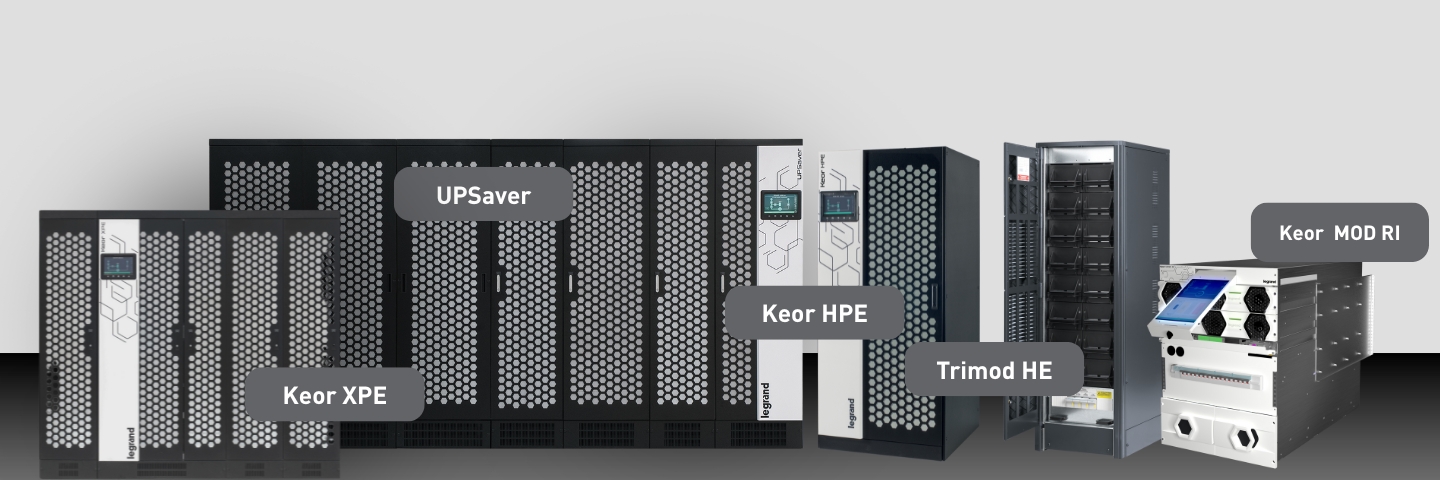
The Keor FLEX addresses demanding hyperscale and AI data center requirements with its high-efficiency silicon carbide inverter design and massive scalability. For conventional installations, the Keor HPE series provides reliable three-level IGBT inverter technology from 60kVA to 600kVA. Additional platforms including Keor MOD RI, Trimod HE, Keor XPE, and UPSaver offer inverter-based power conversion across various capacity ranges and application requirements.
Partner with Legrand for Advanced UPS Inverter Solutions
Legrand's UPS systems integrate high-performance inverter technology engineered for data center reliability and efficiency. Our platforms combine advanced IGBT circuits, pure sine wave outputs, and intelligent control systems to deliver continuous clean power for mission-critical applications.
Contact Legrand to discuss how our inverter-based UPS solutions can protect your facility's critical infrastructure.
Related Downloads