























 Canada
 Latin America (English)
 Latin America (Espanol)
 USA
USA
 China
China
 India
India
 Japan
Japan
 Republic of Korea
 South East Asia (English)
 Austria
 Belgium
 France
 Germany
 Italy
Italy
 Netherlands
 Others
 Spain
Spain
 Switzerland
 Turkey
 UK
UK
 Africa (english)
 Africa (français)
 Middle East (english)
 Australia
 New Zealand


Rear Door Heat Exchangers (RDHx): Myths, Benefits & Data Center Cooling
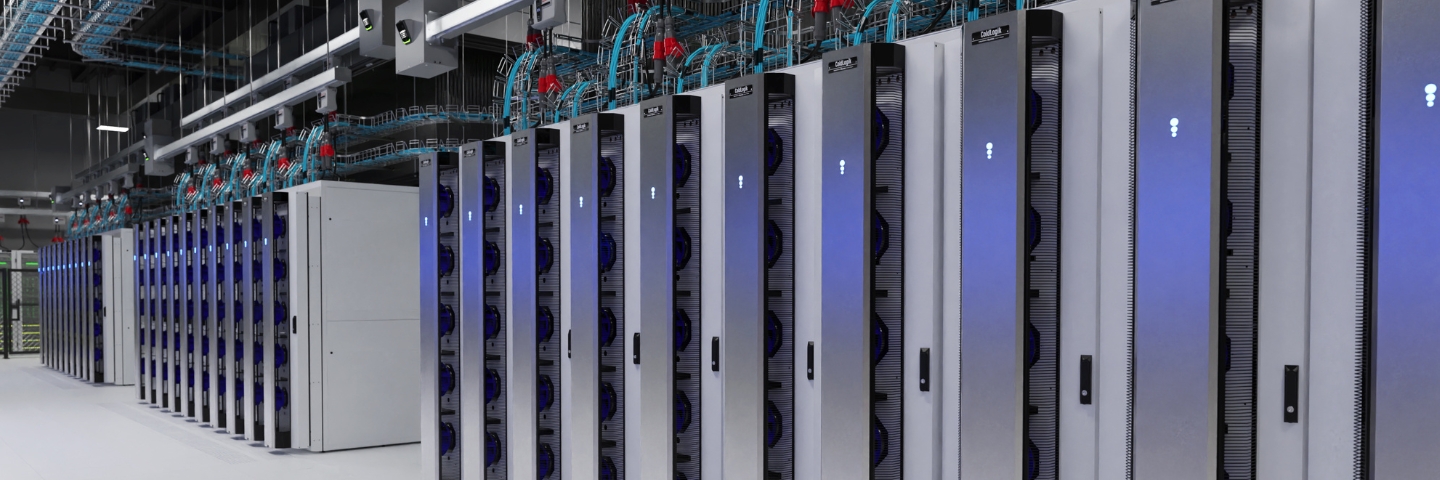
Data center cooling is undergoing a fundamental shift. Increasing rack power densities, AI-driven compute loads, and the constant pressure to improve energy efficiency are exposing the limitations of traditional room-level cooling strategies. As operators push more compute capacity into existing footprints, thermal management is no longer just an engineering challenge; it is now a business-critical priority.
Among the technologies increasingly entering the conversation are rear door heat exchangers (RDHx). Yet despite their growing adoption across high-density environments, RDHx systems are still frequently misunderstood.
To better understand the role of RDHx in modern data centers, it’s worth exploring how the technology works, where it adds value, and why several long-standing myths no longer hold up.
Why Cooling Strategy Is Being Rewritten
For years, conventional data center cooling relied heavily on perimeter CRAC/CRAH units, raised floors, and carefully managed airflow. This model worked well when rack densities were modest, and heat loads were relatively predictable, but that landscape has changed.
Today’s facilities must accommodate:
- High-density compute clusters
- GPU-heavy AI workloads
- HPC environments
- Edge deployments with constrained space
- Aggressive sustainability targets
These shifts are driving a move away from purely room-based cooling toward more targeted heat-removal approaches.
This is precisely where rear door heat exchangers offer compelling advantages.
What Is a Rear Door Heat Exchanger?
A rear door heat exchanger is a liquid-based, air-assisted cooling system mounted directly on the rear of a server cabinet. Rather than attempting to cool an entire room, RDHx focuses on removing heat where it is produced — at the rack level.

The operating principle is simple:
- IT equipment fans draw in ambient air
- Hot exhaust air is expelled from the equipment
- That hot air passes across a liquid-cooled heat exchanger
- Exhaust heat transfers into the liquid-cooling fluid within the heat exchanger
- Cooled air is expelled into the data hall at, or just below, the predetermined temperature
The result is immediate and localized heat removal without disrupting established airflow architectures.
By extracting heat at the source, RDHx significantly reduces the burden on room-level systems.
Myth 1: “Rear Door Heat Exchangers Are Too Expensive”
Cost concerns are the most common barrier — and the most frequently misinterpreted.
RDHx may entail a slightly higher initial capital cost than traditional air-only solutions. However, evaluating cooling technologies purely on purchase price ignores the metric that truly drives long-term value: total cost of ownership (TCO).
Rear door heat exchangers influence operational economics in several important ways:
- Reduced energy consumption: Targeting heat at its source lowers the amount of air that must be moved and cooled, reducing the energy needed for cooling infrastructure.
- Less overcooling: Precision heat removal reduces the need to cool the entire room.
- Lower strain on mechanical infrastructure: By handling heat before it reaches room-level systems, RDHx solutions ease the load on CRAC/CRAH units and chillers, enabling them to operate more efficiently.
- Improved scalability without expansion: Rack-level heat management allows facilities to support higher densities, avoiding white-space expansions.
In high-density deployments, these cumulative savings often offset initial investment far faster than many expect.
Viewed through an efficiency and lifecycle lens, RDHx is frequently a cost-reduction strategy rather than an expense increase.
Myth 2: “RDHx Systems Are Complicated and Difficult to Maintain”
Another persistent misconception is that RDHx technology automatically implies operational complexity.
Modern RDHx systems are specifically designed to avoid this problem. Unlike traditional cooling architectures involving extensive ducting, raised floor management, and multiple interacting subsystems, RDHx solutions are mechanically straightforward:
- They integrate directly onto standard rack footprints
- They feature intuitive monitoring and control interfaces to simplify use
- They reduce reliance in specialized support
- They typically require low maintenance
In practice, many facilities discover that RDHx simplifies cooling management rather than complicating it.
Myth 3: “Rear Door Heat Exchangers Aren’t Suitable for Existing Facilities”
Perhaps the most misleading myth is the belief that RDHx requires disruptive redesign or is viable only for greenfield builds.
In reality, RDHx is particularly attractive in retrofit and hybrid environments.
Best-in-class systems are engineered for compatibility with:
- A wide range of server racks
- Existing cooling systems
- Legacy and high-density infrastructure
This flexibility allows operators to incrementally introduce RDHx exactly where densities demand it, without large-scale mechanical modifications.
For facilities seeking to extend infrastructure life or accommodate new workloads without expansion, RDHx often becomes a practical modernization tool.
RDHx and the Density Challenge
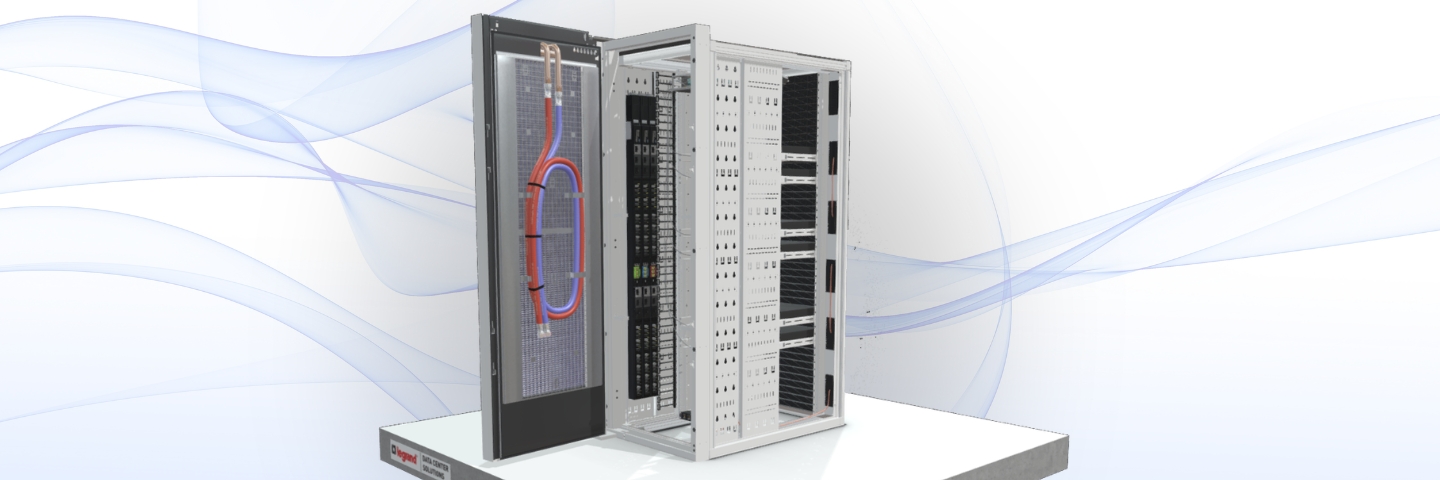
High-density compute is reshaping thermal priorities. AI clusters, GPU farms, and HPC deployments generate highly concentrated heat loads that challenge even well-designed airflow systems. Attempting to manage these loads solely through room-level cooling often results in inefficiencies, hotspots, and increased energy use.
RDHx address this challenge directly by:
- Removing heat before it enters the room
- Stabilizing rack exhaust temperatures
- Enabling greater cabinet densities
- Reducing recirculation risks
This rack-centric approach aligns naturally with the direction of modern compute design.
A Real-World Illustration: ColdLogik RDHx
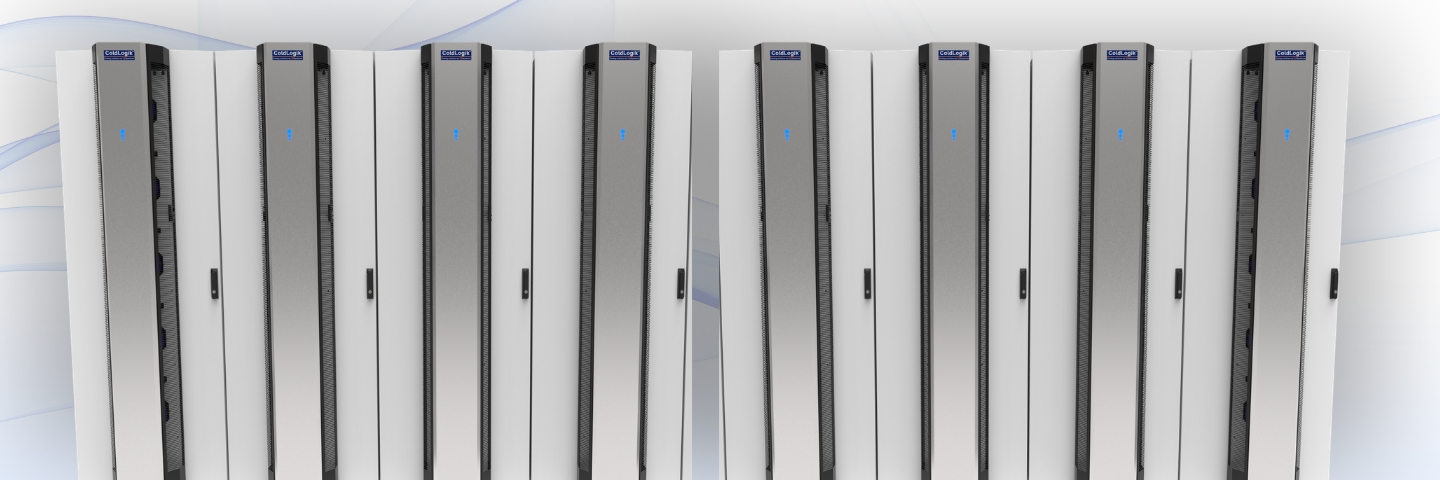
The practical value of RDHx becomes particularly clear when examined through real deployments.
ColdLogik RDHx, developed by USystems (a brand of Legrand), demonstrates how RDHx technology performs under demanding conditions.
At the University of Cambridge’s West Cambridge Data Centre, ColdLogik RDHx was deployed as part of a hybrid cooling strategy supporting high-performance computing growth. The results were significant:
- Cabinet power densities increased from approximately 30 kW to 44 kW per rack
- Data hall capacity expanded from 900 kW to 1.2 MW
- Thermal stability and cooling efficiency were maintained
Equally important, the system’s design supported broader efficiency objectives. ColdLogik RDHx integrates with chilled water, glycol, and air-cooled systems, enabling configurations such as:
- 100% free-cooling operation with hybrid dry coolers
- Closed-loop heat removal without operational water consumption
- Reduced reliance on room-level cooling systems
By removing substantial heat loads at the rack level, the technology enables density growth without disruptive infrastructure changes.
Rethinking Cooling Assumptions
RDHx are not niche solutions or experimental technologies. They represent a field-proven method of addressing challenges that are now central to data center design:
- Density growth
- Energy efficiency
- Sustainability targets
- Infrastructure longevity
As compute architectures continue to evolve, cooling strategies must evolve with them.
The key is moving beyond outdated assumptions and evaluating RDHx based on measurable operational impact rather than perception.
Final Thoughts
Cooling decisions increasingly influence both performance and economics. Rear door heat exchangers provide operators with a powerful solution for managing density, improving efficiency, and extending facility capabilities - often without the disruption traditionally associated with infrastructure upgrades.
For organizations navigating AI expansion, HPC growth, or modernization initiatives, RDHx deserves serious consideration. To find out more about the benefits of rear door cooling, visit our website here.