

























 Canada
 Latin America (English)
 Latin America (Espanol)
 USA
USA
 China
China
 India
India
 Japan
Japan
 Republic of Korea
 South East Asia (English)
 Austria
 Belgium
 France
 Germany
 Italy
Italy
 Netherlands
 Others
 Spain
Spain
 Switzerland
 Turkey
 UK
UK
 Africa (english)
 Africa (français)
 Middle East (english)
 Australia
 New Zealand


CRAC with Aisle Containment: A Classic Still in Use
CRAC (Computer Room Air Conditioning) with aisle containment remains the most widely deployed cooling architecture in traditional data centers, supporting rack densities up to 10–12 kW through proven thermal management principles. While newer technologies address higher density requirements, CRAC systems continue to provide reliable, cost-effective cooling for enterprise environments where simplicity, maintainability, and gradual modernization are prioritized over cutting-edge performance.
Understanding CRAC with Aisle Containment Technology
CRAC systems represent the foundational cooling technology that enabled the growth of modern data centers, utilizing perimeter-based air conditioning units to deliver conditioned air through raised floor plenums. When combined with aisle containment strategies, these systems achieve improved efficiency and thermal control while maintaining the operational simplicity that has made them the industry standard for decades.
How CRAC Systems Operate
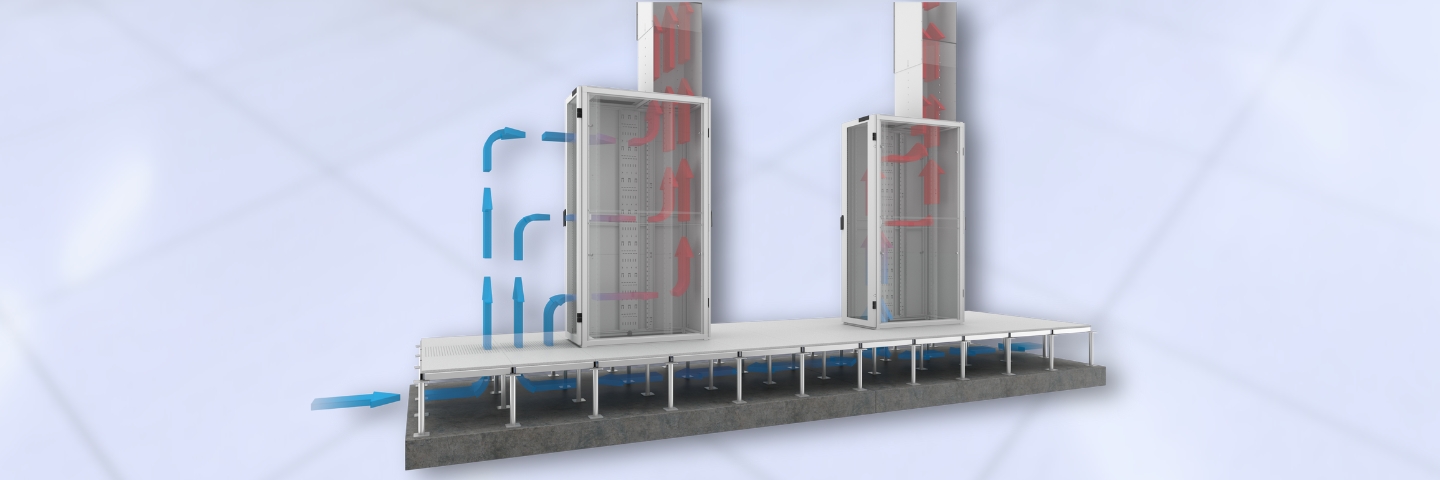
Air circulation process:
- Cold air delivery – CRAC units supply conditioned air into raised floor plenum
- Distribution – Perforated tiles deliver cold air into cold aisles at server intakes
- Heat absorption – Air passes through servers, absorbing thermal energy
- Hot air return – Heated air exits server rear panels into hot aisles
- Collection and cooling – Hot air returns to CRAC units via ceiling plenum or return paths
Aisle Containment Integration
Cold aisle containment:
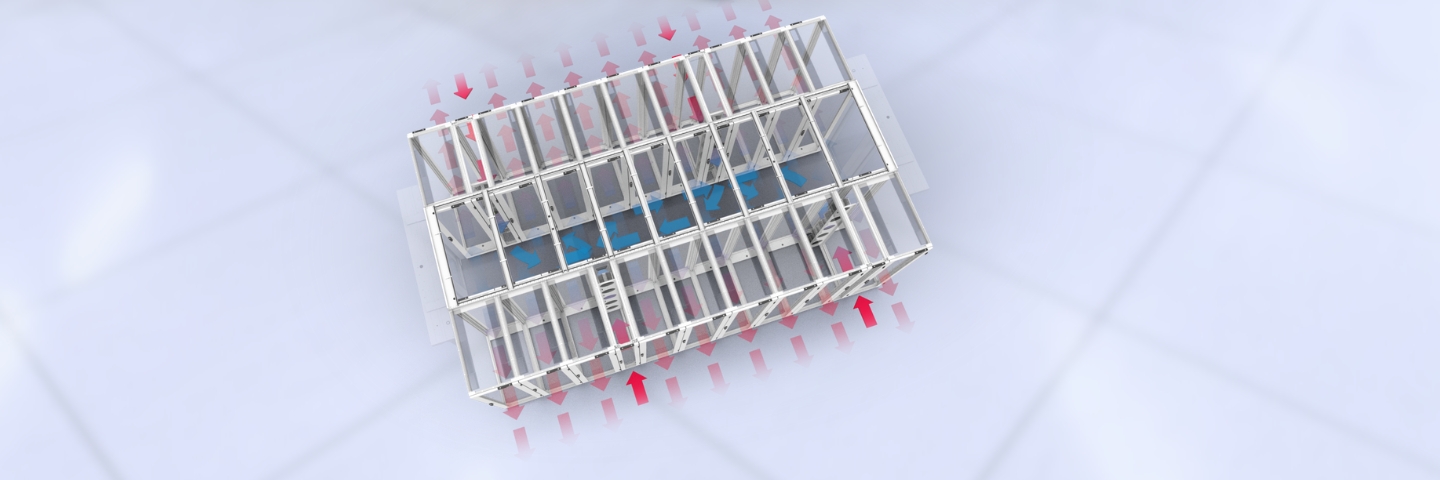
Cold Aisle Containment & Row Based Cooling Solution
- Physical enclosure of cold air supply areas
- Prevention of cold air mixing with room ambient air
- Improved cooling efficiency through thermal separation
Hot aisle containment:
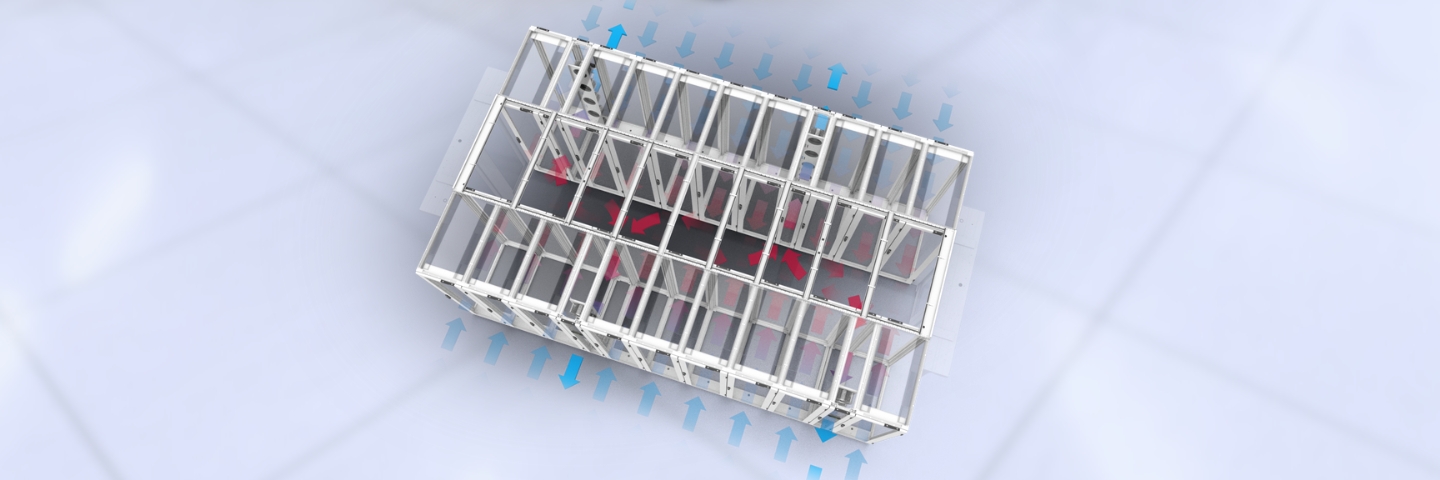
Hot Aisle Containment & Row Based Cooling Solution
- Enclosure of server exhaust areas
- Direct hot air return to CRAC units
- Enhanced heat capture and removal efficiency
Key Advantages of CRAC with Containment
CRAC systems with aisle containment deliver significant operational benefits that explain their continued widespread adoption in enterprise data centers. These advantages focus on reliability, maintainability, and cost-effectiveness rather than maximum performance or density support.
1. Operational Simplicity and Reliability
- Proven technology – Decades of operational experience and refinement
- Familiar maintenance – Standard HVAC service skills and readily available parts
- Predictable operation – Well-understood performance characteristics and failure modes
- Vendor ecosystem – Extensive supplier network and service provider availability
2. Implementation and Integration Benefits
- Non-invasive retrofits – Containment addition without major infrastructure changes
- Existing infrastructure compatibility – Works with established raised floor systems
- BMS integration – Standard building management system connectivity
- Gradual modernization – Incremental improvements without complete system replacement
3. Cost and Efficiency Improvements
- Reduced bypass airflow – Containment minimizes cooling waste and improves efficiency
- Energy optimization – Better thermal separation enables more efficient CRAC operation
- Moderate investment – Lower capital costs compared to advanced cooling technologies
- Operational familiarity – Reduced training requirements for facility staff
Technical Performance and Limitations
While CRAC systems provide reliable cooling for traditional applications, they face inherent limitations when confronted with modern high-density computing requirements. Understanding these constraints helps determine appropriate applications and identifies when alternative cooling technologies become necessary.
Performance Capabilities
| System Configuration | Typical Density Support | Efficiency Range | Best Applications |
|---|---|---|---|
| CRAC Only | 3–5 kW per rack | PUE 1.8–2.2 | Legacy enterprise environments |
| CRAC + Cold Aisle Containment | 8–10 kW per rack | PUE 1.5–1.8 | Modern enterprise deployments |
| CRAC + Hot Aisle Containment | 10–15 kW per rack | PUE 1.4–1.6 | Optimized traditional environments |
Fundamental Limitations
- Airflow volume constraints – Limited air movement capacity restricting density support
- Static pressure challenges – Difficulty maintaining adequate airflow at higher densities
- Thermal efficiency – Air's limited heat transfer capacity compared to liquid cooling
- Hot spot susceptibility – Uneven cooling distribution creating temperature variations
Infrastructure Dependencies
- Raised floor requirements – System relies on underfloor plenum for air distribution
- Ceiling return space – Adequate return air paths necessary for proper operation
- Power distribution – CRAC units require significant electrical infrastructure
- Space allocation – Perimeter placement reduces usable data center floor area
Modern Applications and Use Cases
CRAC with aisle containment continues to serve important roles in data center environments where operational requirements align with the technology's strengths. Understanding these applications helps identify when traditional cooling approaches remain the optimal choice.
Traditional Enterprise Data Centers
Organizations with established infrastructure and moderate density requirements can maximize existing investments while achieving improved efficiency through containment additions without disruptive infrastructure changes.
Colocation Facilities
Multi-tenant environments benefit from CRAC systems' standardized operation and maintenance simplicity, particularly where customer densities remain within traditional ranges and operational consistency is prioritized.
Hybrid Cooling Environments
CRAC systems serve as background cooling in facilities deploying targeted liquid cooling for specific high-density applications, handling residual heat loads while advanced technologies address concentrated thermal demands.
Budget-Conscious Deployments
Organizations prioritizing cost control and operational simplicity over maximum density can achieve reliable cooling performance while maintaining familiar operational procedures and minimizing staff training requirements.
Implementation Best Practices
Maximizing CRAC system effectiveness requires attention to design optimization, containment implementation, and operational procedures. These practices ensure optimal performance within the technology's inherent limitations while providing reliable thermal management.
Design Optimization Strategies
- Airflow modeling – CFD analysis ensuring proper air distribution and temperature uniformity
- Containment selection – Hot aisle containment typically more effective than cold aisle approaches
- Perforated tile placement – Strategic positioning matching server intake requirements
- Return path optimization – Adequate ceiling space and return air routing
Containment Implementation
- Sealing effectiveness – Proper closure of air gaps preventing bypass airflow
- Access considerations – Maintenance doors and emergency egress planning
- Fire suppression integration – Coordination with safety systems and suppression agents
- Monitoring integration – Temperature and pressure sensors validating containment effectiveness
Operational Excellence Practices
- Regular maintenance – Filter replacement, coil cleaning, and mechanical inspection schedules
- Performance monitoring – Continuous tracking of temperature, humidity, and energy consumption
- Efficiency optimization – Setpoint adjustment and control refinement based on actual loads
- Capacity management – Understanding and respecting system density limitations
Modernization and Upgrade Pathways
Many organizations seek to enhance CRAC system performance while preserving existing infrastructure investments. Understanding available upgrade options enables improved efficiency and capacity without complete system replacement.
Incremental Improvement Options
- Advanced controls – Smart sensors and automated optimization systems
- Variable speed drives – Fan speed modulation matching actual cooling demand
- Improved containment – Enhanced sealing and airflow management
- Supplemental cooling – Targeted additions for specific high-density areas
Hybrid Technology Integration
- Liquid cooling supplements – Direct-to-chip or rear-door heat exchangers for high-density racks
- In-row cooling – Targeted cooling for specific thermal hot spots
- Free cooling integration – Economizer systems reducing mechanical cooling requirements
- Heat recovery systems – Waste heat utilization for facility heating needs
Cost-Benefit Analysis and ROI
CRAC systems offer distinct economic advantages in appropriate applications, particularly where operational simplicity and infrastructure preservation provide significant value. Understanding these economic factors helps justify technology selection and investment decisions.
Capital Investment Considerations
- Lower initial costs – CRAC systems typically less expensive than advanced cooling technologies
- Infrastructure compatibility – Utilization of existing raised floors and electrical systems
- Containment costs – Moderate investment for significant efficiency improvements
- Phased implementation – Gradual upgrades spreading costs over time
Operational Cost Factors
- Maintenance simplicity – Standard HVAC service skills reducing ongoing costs
- Energy efficiency – Containment improvements providing measurable energy savings
- Operational familiarity – Reduced training and knowledge transfer requirements
- Spare parts availability – Commodity components and widespread supplier networks
Future Role and Evolution
While CRAC technology faces limitations in high-density applications, continued evolution and strategic application ensure ongoing relevance in the data center cooling landscape. Understanding this evolution helps organizations plan long-term cooling strategies.
Technology Enhancement Areas
- Control sophistication – AI-driven optimization and predictive maintenance
- Efficiency improvements – Enhanced heat exchangers and fan technologies
- Integration capabilities – Better coordination with advanced cooling systems
- Monitoring advancement – Comprehensive sensor networks and analytics platforms
Strategic Applications
- Background cooling – Supporting role in hybrid cooling environments
- Legacy infrastructure – Continued service in established facilities
- Transitional technology – Bridge to advanced cooling during gradual modernization
- Cost-optimized deployments – Appropriate choice for budget-conscious applications
Legrand Data Center Cooling Solutions
Implementing advanced cooling technologies requires the right infrastructure support and expertise. Legrand provides comprehensive solutions for modern data center thermal management, from power distribution and monitoring to physical infrastructure that enables optimal cooling performance.
Explore Legrand's cooling infrastructure solutions:
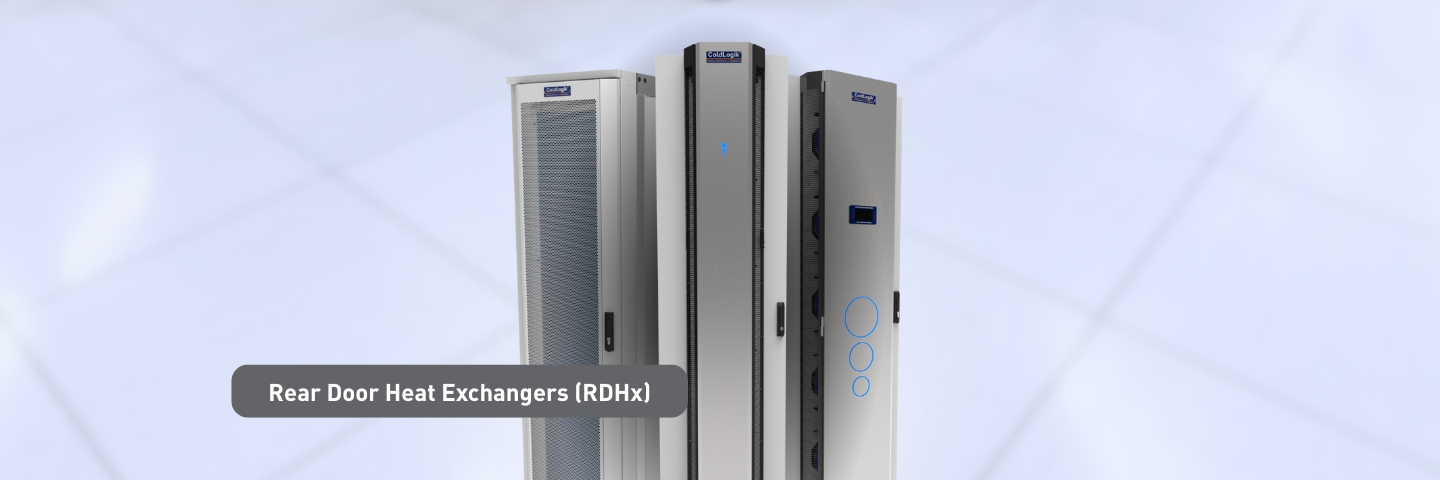
- Rear-Door Cooling Solutions – Complete infrastructure support for RDHx implementations, including power distribution, monitoring, and control systems designed for rack-level cooling technologies.
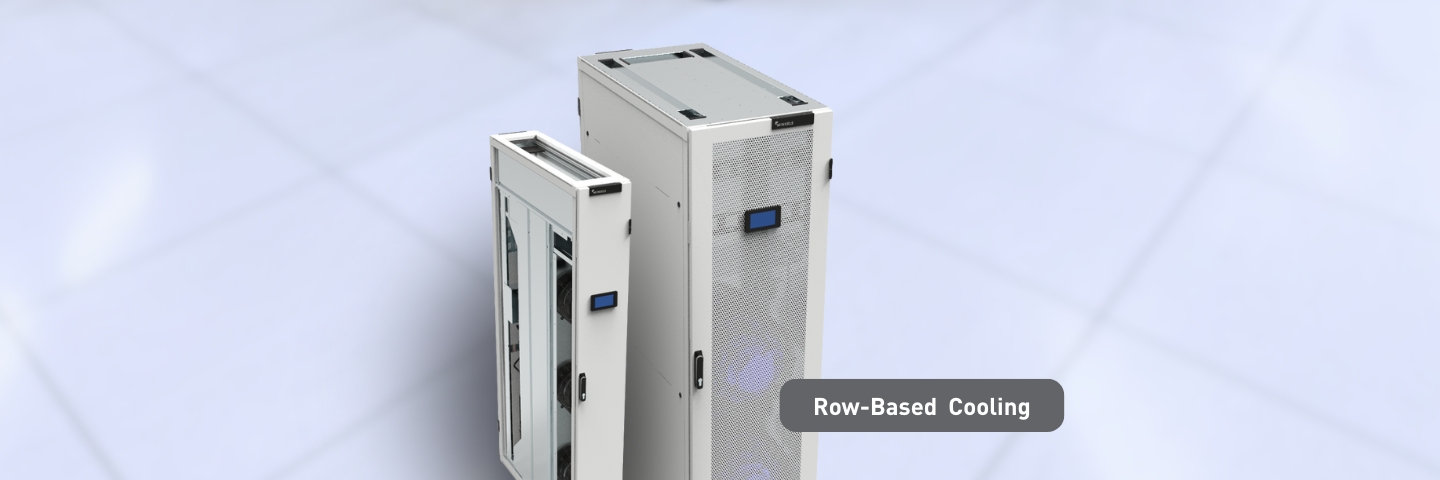
- Row-Based Cooling Infrastructure – Integrated solutions supporting in-row cooling deployments, featuring optimized power delivery, environmental monitoring, and cable management systems.
Our data center specialists can help you design and implement the infrastructure foundation that enables successful cooling technology deployment while ensuring reliability, efficiency, and scalability for your facility's evolving needs.
Conclusion
CRAC with aisle containment remains a valuable cooling technology for data center environments where operational requirements align with traditional cooling capabilities. While not suitable for high-density applications, these systems continue to provide reliable, cost-effective thermal management for enterprise environments prioritizing simplicity and maintainability.
Success with CRAC systems depends on realistic expectations about density limitations, proper containment implementation, and recognition of when alternative technologies become necessary. For organizations with existing infrastructure and moderate cooling requirements, CRAC systems offer a proven path to improved efficiency without the complexity and cost of advanced cooling technologies.
As data center cooling continues to evolve, CRAC systems will maintain their role as foundational technology supporting traditional applications while serving as stepping stones toward more advanced thermal management solutions when operational requirements demand higher performance capabilities.
NOT THE ONLY OPTION - COOLING AT THE RACK WITH RDHx
Cooling isn’t one‑size‑fits‑all. For high‑density or space‑constrained rooms, the ColdLogik Rear Door Coolers from USystems, a brand of Legrand, delivers cooling at the rack, boosting efficiency without heavy air‑side changes.
GET A FAST, EXPERT RECOMMANDATION
Talk to a Legrand engineer for system sizing, budgetary guidance, and a phased deployment plan tailored to your site.